

Furniture Trends in China for 2026
China’s furniture industry in 2026 is defined by smart innovation, sustainability and modular living. Technology, advanced materials and global positioning drive its evolution beyond mass production
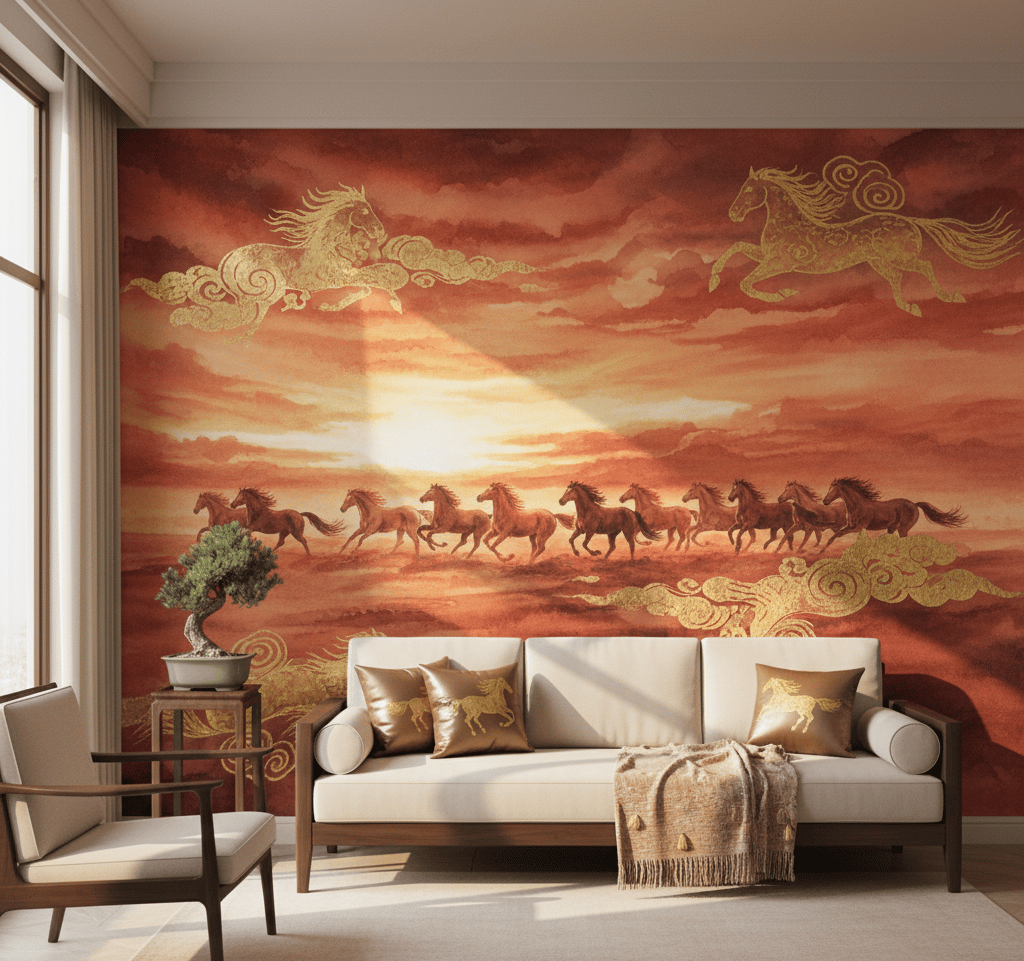
Furniture Trends in China for 2026
Innovation, Smart-Home and Global Positioning
Beijing / Guangzhou / Shenzhen, 2026 — China enters 2026 with its furniture sector undergoing profound transformation: technological innovation, sustainable materials, globalised production and an internal consumer shift towards smart, multifunctional, sustainable homes. The interplay of these drivers does not only reshape the domestic Chinese market — it redefines China’s role as a global manufacturing hub. In this article, we analyse the structural trends defining 2026 for manufacturers, designers, surface-material suppliers and global buyers.
1. A market of expansion and diversification
China’s furniture market continues to grow steadily, driven by rapid urbanisation, residential renovation, rising living standards and changing lifestyles (smaller flats, single- or dual-occupant households, demand for space efficiency).
Moreover, demand comes not only from the residential segment: offices, coworking spaces, hospitality and commercial projects are heavily fuelling demand for modern office and contract furniture.
At the same time, distribution channels are evolving: online commerce increases its presence, yet physical retail and showrooms remain critical — especially when combined with brand experience and hybrid commerce models.
This broad-based ecosystem lays the groundwork for China to consolidate its position as a key market and a global production platform.
2. Smart furniture, integrated technology and the rise of the intelligent home
A key trend for 2026 in China is the incorporation of technology into furniture — so-called “smart furniture”. Tables with built-in charging, wireless power, connected office furniture, IoT systems, wellness-oriented pieces, ergonomic chairs, and more.
The rise of remote working, increased demand for comfort, health concerns and the digitisation of the home environment fuel adoption of such furniture — from home offices to compact urban dwellings.
This trend offers a competitive advantage to manufacturers capable of combining design, technological functionality and efficient manufacturing — particularly attractive for export markets.
3. Sustainability, responsible materials and advanced manufacturing
China is also responding to global demand for responsible furniture with advances in sustainable manufacturing and new material development. Many companies pivot toward certified wood, eco-textiles, low-impact finishes, cleaner processes and innovative materials.
Additionally, the focus on industrial efficiency and supply-chain optimisation helps lower waste, improve logistics and deliver competitive prices without sacrificing quality.
For international brands and foreign buyers, the implication is that China is no longer just a source of high-volume low-cost production — it now offers sophisticated products that comply with European standards and environmental responsibility.
4. Modularity, multifunctionality and spatial adaptability
As Chinese cities expand and living spaces shrink — a direct outcome of mass urbanisation — modular and multifunctional furniture become increasingly popular. Modular sofas, vertical storage systems, convertible furniture, space-efficient solutions.
This modularity addresses not only spatial constraints, but also consumer preference for flexibility: homes that adapt to different uses (work, rest, leisure), with clients valuing efficiency, space economy and versatility.
For suppliers of decorative surfaces — laminates, HPLs, printed décor papers, LVTs — this represents a strategic opportunity: demand for contemporary textures, resilient materials and finishes capable of withstanding intensive use.
5. The role of the CIFF Guangzhou 2026 fair as a global barometer of furniture trends
CIFF Guangzhou 2026 (March, Canton) stands out as the pivotal fair of the year: hosting thousands of exhibitors, international buyers and a forward-looking agenda covering innovation, sustainability, smart-home, contract, green home living, lifestyle and global supply-chain integration.
Its theme, “CONNECT · CREATE”, underlines the ambition: to connect industry, design and global markets; to create new solutions, materials, collaborations and furniture concepts aligned with 2026 demands.
For companies like yours — working in design, decorative surfaces and digital printing — attending, monitoring or at least studying the outputs of CIFF 2026 is essential: many of the aesthetic and functional codes of the global furniture market for the coming years will be defined there.
6. Export strategies and international positioning: China as global furniture hub
Despite recent global trade headwinds, China continues to leverage its manufacturing capacity. In 2025–2026, the combination of advanced production systems, material innovation, smart-furniture orientation and sustainability enables China to present itself as an attractive option for global buyers — especially under stricter regulations in Europe regarding emissions, carbon footprint and product traceability.
Office & contract furniture, modular home solutions and smart-home furniture are among the segments with strongest export potential.
For surface-material suppliers and décor specialists, this indicates growing demand for refined finishes, matte textures, sophisticated laminates, technical materials and customisation possibilities adapted to diverse markets.
7. Challenges and risks in the Chinese context for 2026
Not everything is opportunity. Some of the challenges facing players in 2026 include:
Pressure on raw-material and logistics costs.
Need to meet high standards of quality, certification and sustainability to compete internationally.
Intense competition: many suppliers provide similar production and services; differentiation via design, innovation and after-sales will be critical.
Global economic volatility and trade tensions: Chinese exporters must remain adaptable to changing regulations.
Demand for continuous innovation: smart-furniture, new materials, adaptability to changing lifestyles.
Only companies that integrate innovation, design quality, environmental responsibility and flexibility in their strategy will remain at the forefront.
8. Conclusion: 2026 as a pivotal year to redefine China’s role in the furniture industry
China enters 2026 not just as a giant in volume, but as a central actor in global furniture — thanks to its combination of innovation, adaptability, sustainability and ability to integrate global design trends with industrial scale.
For brands, manufacturers, surface-material suppliers and design firms (such as yours), the time is ripe to reframe strategy: aim at sophisticated materials, smart furniture, modular design, ecological awareness, contemporary aesthetics and export capacity.
Maintaining vigilance on CIFF Guangzhou 2026, upcoming smart-home launches, new material collections and modular design strategies will be key. Those who adapt early will gain competitive advantage.